Buying a Vacant Lake Norman Lot in Mooresville? Dock Permit Rules
September 24, 2026
September 24, 2026
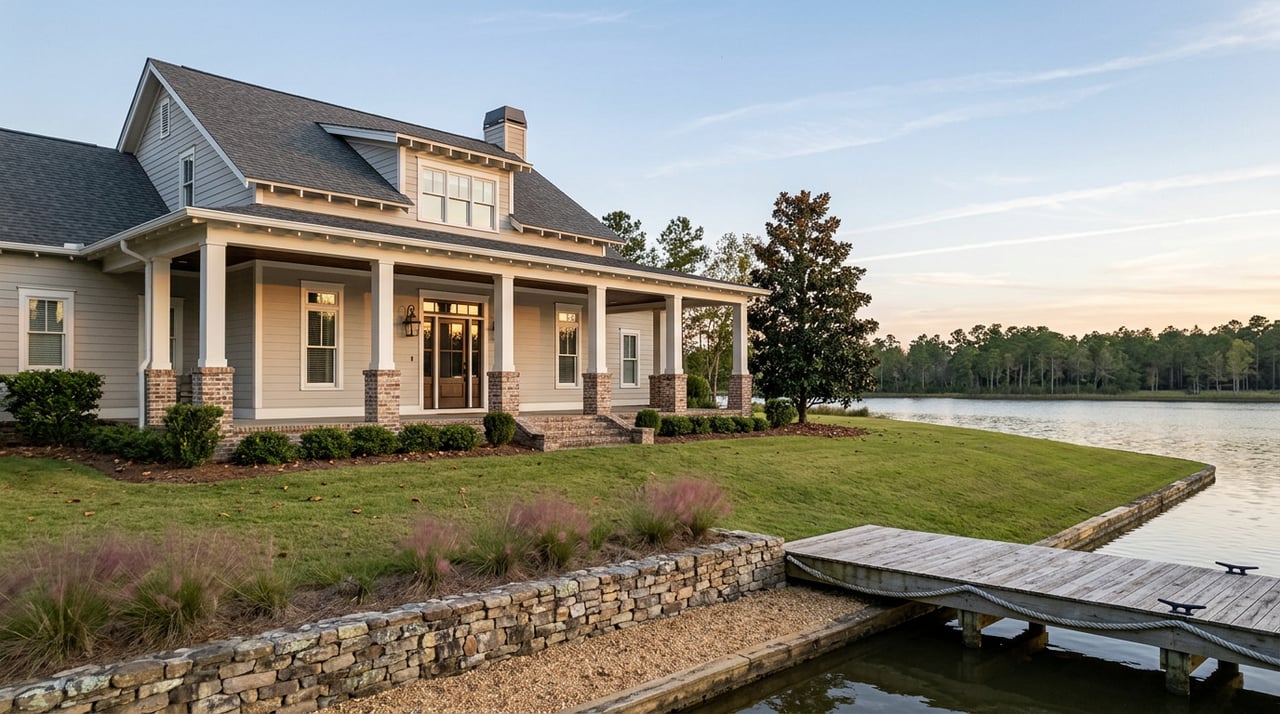
Scroll through vacant lot listings on Lake Norman's Mooresville side long enough and you'll notice the pitch repeats itself. Bring your own builder. Break ground when you're ready. Shoreline already cleared, sometimes already dredged, occasionally marketed as previously approved for a dock. The unspoken promise behind that language has always been the same: buy the land now, get your dock permitted while you finalize house plans, and start enjoying the water before the first stud goes up.
That promise no longer holds for any lot that doesn't already carry a dock permit on file. Duke Energy changed the rule this summer, and the change reorders the entire sequence of owning waterfront land before you build.
Duke Energy manages the shoreline of every lake it operates as a hydroelectric reservoir, Lake Norman included, through a permitting process it calls the Shoreline Management Program. Effective July 1, 2026, Duke's Lake Services team stopped reviewing new private dock permit applications on any lot where a home has not been constructed. The policy is posted directly on Duke Energy's own shoreline permitting page, and it states plainly that the change applies to all Duke Energy lakes, not a single reservoir.
The rule targets one specific transaction: a new dock application on a lot with no house. It does not touch shoreline stabilization requests, and it does not undo permits that already exist. But for the buyer eyeing a bare lot with plans to design a home over the next year or two while enjoying weekend access to the water in the meantime, the door on that plan closed in July.
Because the rule is only a few months old as of this writing, plenty of active listing descriptions on the market right now were written before it took effect. A lot marketed as having dock potential or prior dock approval deserves a direct question to the seller: is that approval attached to an existing, permitted structure, or is it a statement about what might be possible someday? Those are two very different things now.
Local real estate professionals who track shoreline permitting describe the new standard using a builder's term: the dock application isn't considered until the home is "in the dry," meaning framed and roofed, weather-tight, past the point where the house is clearly underway rather than just permitted on paper.
That single phrase reshapes the calendar for a vacant lot purchase. The sequence now looks like this: close on the land, finalize a site plan and survey, secure your county building permit, pour the foundation, frame the structure, and reach dry-in. Only then can you submit a dock application through Duke's Lake Access Permit System, and only then does Duke's review clock start, a window that commonly runs four to twelve weeks depending on the season and how complete your paperwork is when you file.
| Before July 1, 2026 | After July 1, 2026 | |
|---|---|---|
| When you could apply | Anytime after closing on the lot | Only once the home is framed and roofed |
| What Duke required | Site plan, survey, proposed dock design | Same materials, plus evidence of construction in progress |
| Realistic wait for water access | Weeks after closing | Many months, tied to your build schedule |
Put in plain terms, a buyer who closes on a bare Mooresville lot today and breaks ground within a normal timeframe should expect to be a year or more into ownership before they can even file for a dock, let alone use one.
The most affordable vacant lots on Lake Norman tend to cluster along the stretch of shoreline running through Mooresville, Troutman, and Statesville, largely because the terrain there runs steeper and land costs less than it does closer to Charlotte. That value proposition has historically drawn a specific kind of buyer: someone stretching to get onto the water who plans to build in phases, live nearby while construction happens, or simply take their time finalizing a design.
That buyer is exactly who this rule affects most. A purchaser closing on a finished custom home in a gated shoreline community isn't waiting on a framing crew to enjoy the lake. Someone buying raw land on the north shore with a multi-year build plan now has to fold a much longer dock timeline into their financing, their construction loan draw schedule, and their own expectations about what year one on the property actually looks like.
None of this changes anything for a lot that already has a legitimate, permitted dock in place. If the structure exists and the paperwork is clean, you still need to transfer the permit into your name after closing, a straightforward step through Duke's online permitting system, but you're not waiting on a construction schedule to use it.
That distinction is exactly why listing language deserves scrutiny rather than trust at face value. Approved for a dock means one thing when it's attached to a physical, permitted structure standing on the shoreline today. It means something far less certain when it's aspirational language describing what a future owner might someday be allowed to build.
Does this rule apply to seawalls or shoreline stabilization too? No. Duke's July 1 change is specific to new private dock permit applications. Stabilization requests continue under the existing process.
I signed a contract on a vacant lot before July 1. Does the old rule still apply to me? The rule tracks when a dock application is submitted and reviewed, not when the land sale closed. If your dock permit wasn't already in Duke's queue before July 1, it falls under the new standard regardless of when you bought the land.
Once my house reaches dry-in, how long until I actually have a dock? Plan on four to twelve weeks for Duke's review after you submit a complete application, with the longer end of that range more likely in spring, when demand for new permits peaks across the lake.
Vacant waterfront land on Lake Norman still holds real appeal, and Mooresville's north shore remains one of the more accessible entry points to that lifestyle. But the math around timing has shifted, and a buyer who doesn't account for it can end up closing on a beautiful lot and waiting far longer than expected to actually put a boat in the water.
If you're weighing a vacant lot purchase on Lake Norman, Melody Fuhr can walk through the permitting sequence, the county-specific review steps, and what a realistic build-to-dock timeline looks like for the property you're considering. Schedule a white-glove consultation before you write the offer, not after.
This article is general information, not legal, tax or financial advice. Consult a qualified professional about your situation.
Stay up to date on the latest real estate trends.
October 22, 2026
October 15, 2026
October 8, 2026
October 1, 2026
September 24, 2026
September 17, 2026

September 10, 2026

September 3, 2026

August 27, 2026
Get assistance in determining current property value, crafting a competitive offer, writing and negotiating a contract, and much more. Contact me today.