Selling a lakefront home in Denver on Lake Norman should feel exciting, not overwhelming. You want premium results, and you know buyers will pay for confident, well-documented waterfront living. The key is preparation that blends lifestyle appeal with clear, verifiable facts. In this guide, you’ll learn exactly how to prepare, what to inspect, which documents to assemble, and how to market the water experience so you attract strong, clean offers. Let’s dive in.
Know the rules first
Before you list, get clear on permits, disclosures, and flood details. Buyers will ask, and the right answers can protect your price.
- Dock and shoreline permits: On Lake Norman, Duke Energy Lake Services oversees permits for docks, piers, dredging, and shoreline stabilization. Confirm your property’s existing permits and any transfer steps. Unpermitted or altered structures can trigger modification requirements or removal.
- Shoreline classification: Lake Norman shorelines can carry classifications that affect dock eligibility and dredging. Confirm your lot’s classification and be prepared to document dock eligibility and any past approvals.
- Local permits and flood: Lincoln County Planning & Inspections handles local permitting, zoning, and flood prevention. Check parcel zoning, permit history, and flood status with Lincoln County Planning & Inspections.
- Seller disclosures: North Carolina’s Residential Property Disclosure Act requires you to disclose known, material issues. For lakefront sellers, that often includes dock permit status, shoreline conditions, septic/well details, and any prior flooding.
- Flood insurance basics: If your parcel lies in a Special Flood Hazard Area, lenders typically require flood insurance. Also note that NFIP policies do not cover certain waterfront structures like docks and bulkheads. Review NFIP guidance on exclusions at FloodSmart.
Gather essential documents
A premium buyer pays for confidence. Pull these items into a clean, digital packet that is easy to share.
- Duke Energy lake-use permits: Dock, boat lift, dredging, and shoreline stabilization approvals. Include permit numbers, dates, and conditions from the Duke Energy Lake Services permit page.
- Septic and well records: Pumping logs, service receipts, and permits or site plans. Lincoln County Environmental Health maintains records and testing guidance. See Lincoln County Environmental Health.
- Flood and elevation info: FEMA flood zone extracts, any Elevation Certificate, and insurance details. Access parcel maps at the FEMA Flood Map Service Center.
- Survey and title items: Recorded easements, deed lines to the water, and HOA/CCR documents. If a dock is shared, include the agreement and maintenance rules.
- Maintenance and inspection reports: Recent home inspection, marine inspection for dock/shoreline, HVAC service records, roof reports, and any repair estimates.
Provide the packet in your MLS attachments and as a polished take-home dossier for showings. Clear documentation reduces renegotiations and speeds underwriting.
Tackle key inspections
Lakefront homes involve extra systems and exposure. Prioritize these inspections to protect your price and avoid surprises.
Dock, pier, boat lift, and shoreline
- Verify permits early. If you cannot locate your permit plate or paperwork, request records from Duke Energy Lake Services now.
- Order a marine/shoreline inspection. Have a Lake Norman–savvy contractor assess structure, flotation, pilings, hardware, and dock electrical. Document grounding and GFCI protection.
- Evaluate seawalls or bulkheads. If you see cracking, leaning, settlement, or undercutting, obtain a written condition report and estimate. Major replacement can be costly, so clear documentation helps buyers assess risk.
- Confirm any dredging. If dredging was done, clarify the permitted footprint and whether maintenance or limits transfer to the buyer.
Septic, well, and utilities
- Schedule a pre-listing septic inspection. Provide the original permit, maintenance logs, and any repair receipts. Lincoln County Environmental Health can help with records and testing requirements at Lincoln County Environmental Health.
- Test the well water if applicable. Share the well log, test results, service dates, and a go-to repair contact.
Flood, elevation, and insurance
- Pull your FEMA zone and any Elevation Certificate. If the home is in an SFHA, expect lenders to require flood insurance. Access maps at the FEMA Flood Map Service Center.
- Clarify what is not insured. NFIP policies exclude certain shoreline structures. Point buyers to NFIP information on exclusions via FloodSmart.
House systems and moisture
- Book a full pre-listing home inspection. Add moisture, crawlspace, foundation, or roof specialists if recommended. Waterfront environments can stress materials and systems; documented maintenance builds confidence.
Title, easements, and dock agreements
- Pull recorded easements, HOA/CCR rules, and any shared dock agreements. If there is community management, provide maintenance rules, reserve details, and waitlists.
Stage for lake lifestyle
Staging works. According to NAR’s latest findings, staging often shortens days on market and can lift offers. Focus on the rooms buyers care about most, and frame the water story with intention. Review the highlights from the NAR Profile of Home Staging.
High-impact staging priorities
- Living room, primary suite, and kitchen come first. Use a clean, neutral palette and warm textures. Remove bulky pieces and create conversational groupings that face the view.
- Sightlines to water. Reposition furniture so the eye moves to the lake. Swap heavy drapes for simple, non-obstructive treatments.
- Outdoor rooms. Dress porches, patios, and dock seating with tidy furniture, planters, and ambient lighting. Pressure-wash hardscapes and clean dock bumpers and ladders.
- Golf-course adjacency. If you back to a fairway, stage side patios as calm retreats and provide any HOA notes about maintenance routines so buyers understand the setting.
Photography and media that sell
Premium buyers often shop remotely. Invest in:
- High-resolution interior photos that feature water-facing moments.
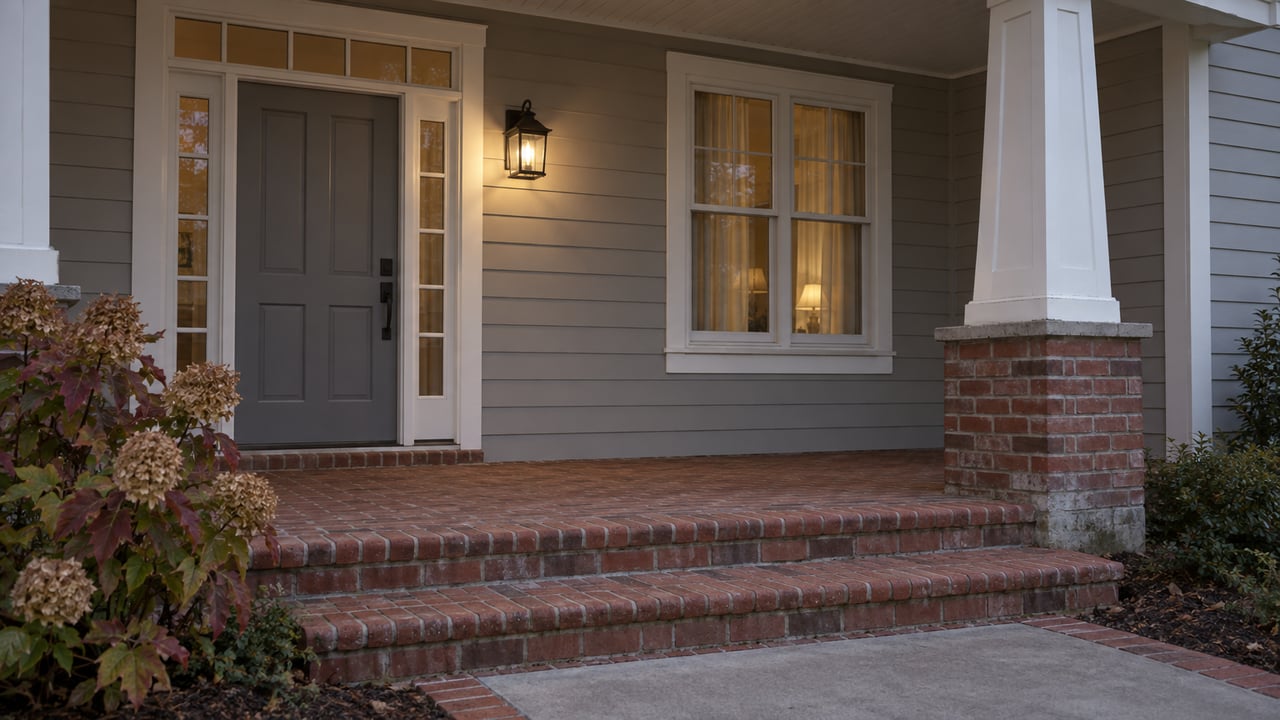
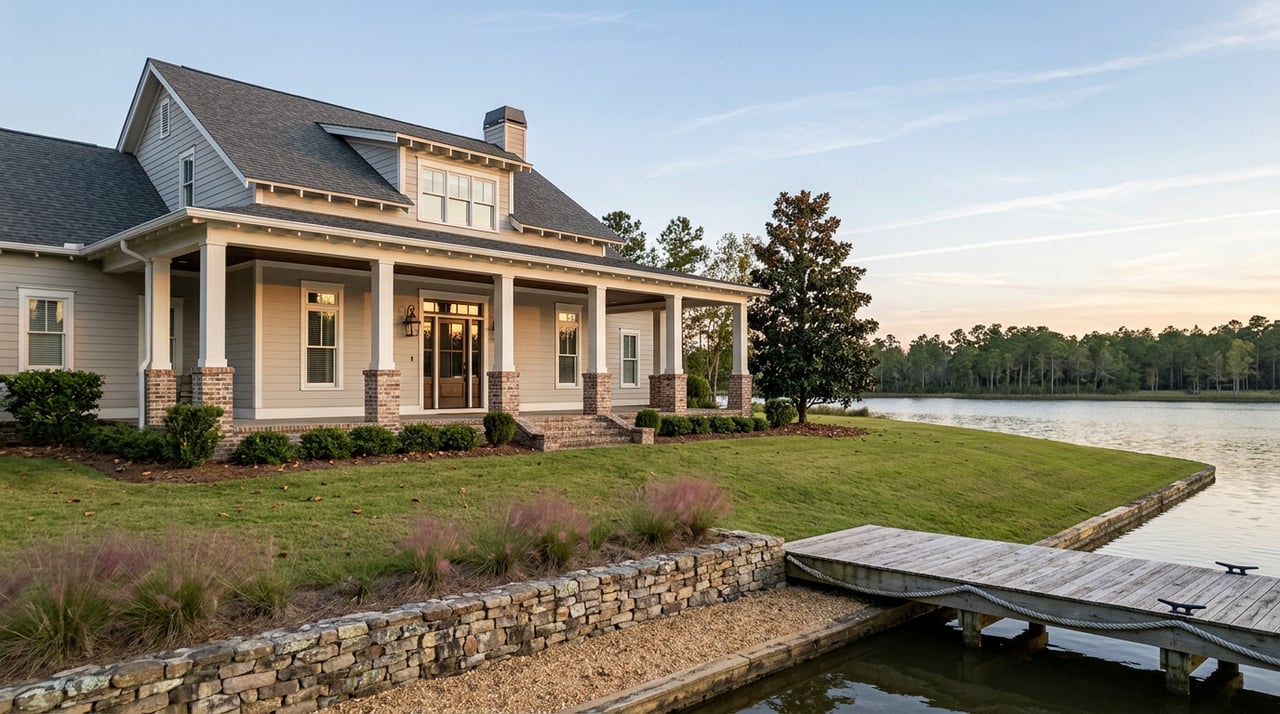
- Twilight exterior photography to showcase lighting and ambiance.
- Aerial drone images or video to show lot lines and water access. Use an FAA Part 107–certified operator for commercial flights.
- A short lifestyle video and 3D tour for depth and convenience.
Price and launch smart
Waterfront pricing is hyper-local. Appraisers and buyers pay for deeded access, a permitted private dock, usable depth, and unobstructed views. Price against recent, closed lakefront comparables rather than the broader neighborhood. If a dock or seawall has unresolved questions, expect the market to discount for risk unless you resolve or credibly quantify it.
Timing can help. Many warm-weather markets see strong buyer activity in spring. Listing mid-week with polished twilight and aerial media can boost early engagement. Confirm the optimal window with a Lake Norman specialist who reads current absorption trends by price band.
Follow a 6–10 week plan
Use this sample plan to stay on track. Adjust for your property’s scope and any shoreline work.
- Weeks 8–6: Order your pre-listing home inspection, marine/dock inspection, septic inspection, and well test. Pull your deed, survey, title exceptions, and FEMA flood map status. Request Duke Energy dock permit records and any needed transfer steps through Duke Energy Lake Services. Gather HOA/CCR and maintenance records. Check local requirements with Lincoln County Planning & Inspections.
- Weeks 6–4: Address safety and permit issues first, including dock electrical, loose railings, or visible rot. Get written estimates for any seawall or bulkhead concerns. Choose which repairs to complete now versus credit at closing. Begin high-impact staging, paint touchups, and landscaping refresh.
- Weeks 4–2: Finalize staging for the living room, primary suite, kitchen, and main outdoor area. Schedule pro photography: daytime, twilight, and drone. Capture a 3D tour and floor plan. Assemble your digital document packet and printed showing dossier. If your parcel is in an SFHA, confirm insurer and lender documentation expectations.
- Week 0: List mid-week in your targeted season. Share the dossier with buyer agents and lake-focused channels. Set a helpful showing plan and have disclosures ready.
Prevent common red flags
You can neutralize most buyer concerns in advance with clear documentation.
- Unpermitted dock or shoreline change: Contact Duke Energy Lake Services for permit records and guidance. Disclose the situation and provide any engineer reports.
- Failing seawall or visible erosion: Commission a marine contractor or engineer report and obtain estimates. Decide on repair versus credit before launch.
- Septic uncertainty: Conduct a septic inspection and include service records. Lincoln County can help verify permit history at Lincoln County Environmental Health.
- Flood zone or insurance uncertainty: Provide a FEMA zone extract and any Elevation Certificate. Clarify NFIP exclusions using FloodSmart’s guidance.
A premium sale favors the seller who pairs beautiful presentation with clean, transparent facts. The more you document up front, the more confident buyers feel about writing a strong offer.
If you want a calm, well-managed process with polished marketing and concierge-level coordination, schedule a White-Glove Consultation with Melody Fuhr.
FAQs
What documents do I need to sell a Denver lakefront home?
- Include dock and shoreline permits, septic and well records, a survey and easement documents, HOA/CCRs, FEMA flood zone and any Elevation Certificate, maintenance logs, and recent inspections.
Who permits docks and shoreline work on Lake Norman?
- Duke Energy Lake Services issues permits for docks, piers, dredging, and shoreline stabilization; confirm existing permits and any transfer steps early.
How should I handle septic and well items before listing?
- Order a septic inspection, gather pumping and repair records, and test well water if applicable; Lincoln County Environmental Health provides guidance and records.
Are docks or seawalls covered by flood insurance?
- NFIP policies exclude certain waterfront structures like docks and bulkheads; share maintenance records and clarify coverage early using FloodSmart’s guidance.
When is the best time to list a Lake Norman waterfront home?
- Spring often brings strong buyer activity, and listing mid-week can boost online traction; confirm the best timing for your price band with a local specialist.
What is shoreline classification and why does it matter?
- Shoreline classifications influence dock eligibility and dredging; confirm your lot’s status, then share that along with Duke Energy permit records to reduce buyer uncertainty.