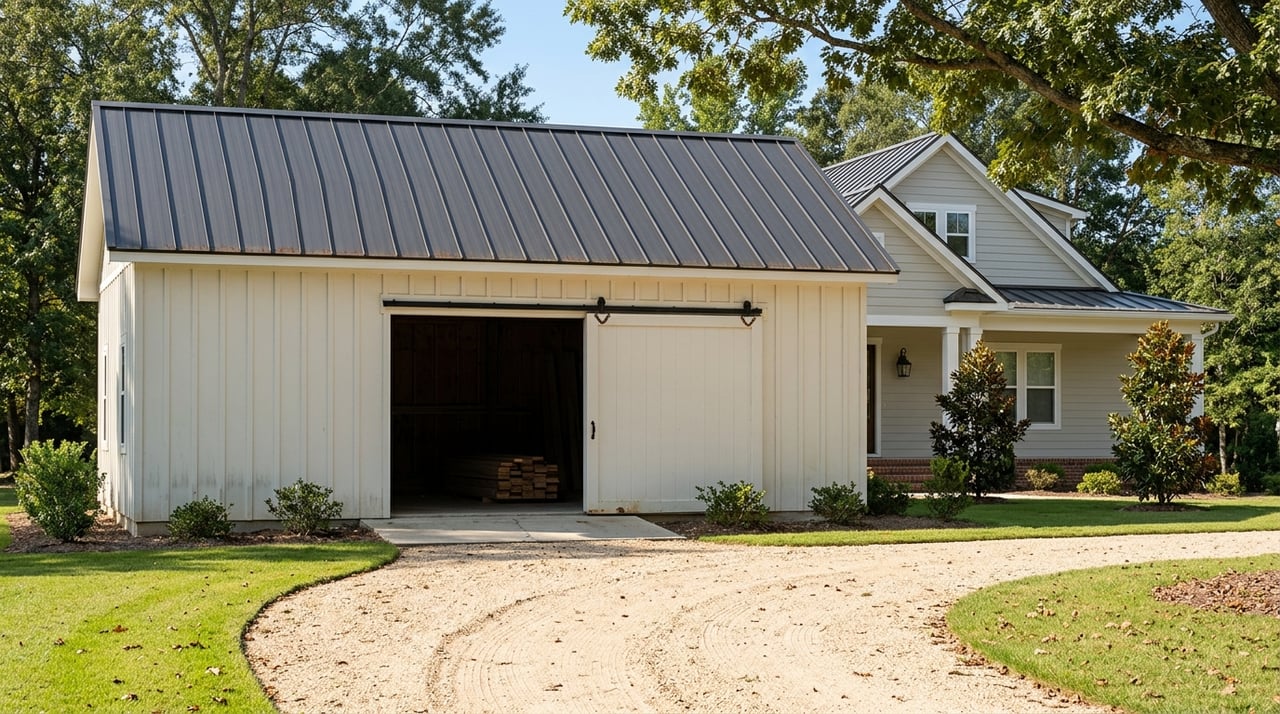
How to Sell Acreage in Denver, NC With Confidence
June 18, 2026
June 18, 2026
If you are selling acreage or farm property in Denver, NC, you already know it is not the same as selling a house on a standard neighborhood lot. Buyers are not just looking at a home. They are evaluating land use, access, permits, taxes, and future possibilities. When you prepare for those questions early, you can position your property more clearly and avoid surprises later. Let’s dive in.
In Denver and the surrounding Lincoln County area, multi-acre and farm properties are shaped by county land rules, appraisal practices, and use-specific factors. Lincoln County appraises real property on a four-year revaluation cycle, with the current revaluation effective January 1, 2023, and the next effective January 1, 2027.
That matters because buyers often compare tax information, land use, and market value all at once. Acreage is rarely judged by square footage alone. Instead, buyers want to understand how the land functions, what it can support, and what obligations may come with it.
Lincoln County also maintains a Unified Development Ordinance that covers zoning districts, subdivision standards, natural-resource protection, and specific use standards. That means your property may be viewed as a land asset with agricultural, forestry, lifestyle, or future development potential, not simply as a residence with extra yard space.
Before your property goes on the market, it helps to gather the documents buyers are most likely to request. A well-prepared seller creates confidence and makes the property easier to evaluate.
For many acreage sales, the most useful records include:
When buyers can review clear information early, they are more likely to see the property’s value instead of focusing on uncertainty.
Boundary clarity is one of the first things rural-property buyers look for. NC State Extension advises buyers to verify legal descriptions, survey maps, well-marked corners, and recorded access easements.
If your property lines are not clearly understood, buyers may hesitate. The same is true if access is shared, easement-based, or tied to a long private drive. It is smart to identify these details before showings begin so your marketing and disclosures match the property’s actual setup.
For properties with long driveways, multiple structures, or rural access points, it is worth confirming that addresses and road names are correct. Lincoln County’s Addressing Division administers structure addressing and road naming, which can be especially relevant for larger tracts.
This may sound minor, but confusion around location, access points, or structure identification can make a property feel harder to understand. Clean, accurate details create a smoother experience for buyers, appraisers, inspectors, and closing professionals.
For many Denver-area acreage properties, septic and well feasibility plays a major role in value. Lincoln County Environmental Health says septic and well permit applications must currently be submitted in person, are based on the specific plans for the property, and require the parcel ID and clear marking of the intended building area.
The county estimates about one to two months from application submission to the initial site visit for improvement permits. If your property has an existing well or septic system, gather those records as early as possible. If the land is vacant or partially improved, any prior permits or site evaluations can still help buyers understand the property.
NC State Extension also notes that local health departments determine whether soils and topography can support a system. In practical terms, this means buyers will want to know not only whether a parcel is large, but whether there is a usable building area for the type of use they have in mind.
If your acreage is enrolled in North Carolina’s Present-Use Value program, this deserves special attention in your sale strategy. Present-Use Value, often called PUV, is a deferred-tax program that values qualifying agricultural, horticultural, or forestland by use rather than market value.
Lincoln County says PUV applications are due in January or within 60 days of ownership transfer. The county’s qualifications include tract-size thresholds of 10 acres for agricultural use, 5 acres for horticultural use, and 20 acres for forest use, along with a $1,000 average gross-income test for agricultural and horticultural land.
This is important because buyers may assume the current tax treatment will continue automatically. That is not always the case. When PUV eligibility is lost, deferred taxes for the current year and the prior three years can become due with interest.
Lincoln County says it may request production records, management plans, or income documentation during compliance review. If your property is in PUV, gather those materials before you list.
This helps in two ways. First, it supports accurate communication about the property’s current use. Second, it helps buyers better understand any tax implications if they intend to change how the land is used after purchase.
Acreage marketing should do more than show pretty photos. It should help buyers understand the property’s layout, use areas, improvements, and opportunities.
NC State Extension says aerial photos can help identify water sources, fallow fields, cropland, forest stands, wetland areas, and how land uses are arranged across and around a property. Lincoln County’s GIS system and historic aerial photography make that especially useful in this market.
A strong presentation often includes:
For a buyer, this kind of presentation answers practical questions before they even step onto the property.
Many buyers are not just purchasing land. They are buying a plan or a lifestyle. Depending on the property, that story may center on pasture, hay ground, timber, gardening space, hobby-farm use, equestrian setup, pond access, or a mix of uses.
The goal is not to overstate possibilities. It is to accurately explain what is there, how the land has been used, and what features support that use today. Clear storytelling, backed by facts, makes the listing more persuasive and easier to understand.
Land can be staged, too. NC State Extension warns that rural parcels may contain trash piles, abandoned vehicles, old storage buildings, hazardous chemicals, buried tanks, and other contamination issues that can slow a transaction or trigger added due diligence.
Simple improvements can make a big difference:
When the property feels maintained and accessible, buyers can focus on its value instead of its distractions.
Pricing acreage or farm property in Denver, NC requires more than looking at tax value or multiplying by total acres. Lincoln County appraises real property at true market value on January 1, while PUV land is valued separately by use. That can create a gap between tax value and market value.
Because of that, sellers should be ready to explain why market pricing may differ from county valuation. In many acreage sales, value is influenced by a mix of physical, legal, and practical factors.
Key pricing drivers often include:
A thoughtful pricing strategy looks at how the land can realistically be used, not just how large it is on paper.
A prepared seller is usually a stronger seller. Acreage buyers tend to ask detailed questions, and their due diligence often starts before they ever make an offer.
Some of the most common questions include:
When your listing materials answer these questions clearly, buyers spend less time guessing and more time engaging seriously.
Selling acreage well takes a different level of preparation than a standard home sale. You need clear records, thoughtful positioning, and marketing that helps buyers understand both the land and the lifestyle it supports.
That is where a marketing-led approach can create an advantage. From curated photography and copy to organized property information and concierge transaction support, the right strategy helps your acreage stand out and gives buyers confidence in what they are considering.
If you are thinking about selling acreage or farm property in Denver, NC, a tailored plan can make the process more efficient and more compelling from day one. For white-glove guidance on pricing, presentation, and marketing, connect with Melody Fuhr.
Stay up to date on the latest real estate trends.
August 20, 2026
August 13, 2026
August 6, 2026
August 6, 2026
July 23, 2026
July 23, 2026

July 23, 2026
July 16, 2026
July 9, 2026
Get assistance in determining current property value, crafting a competitive offer, writing and negotiating a contract, and much more. Contact me today.